The 10th “Endowments. Forever” Forum, hosted by the Vladimir Potanin Foundation, became the largest in its history, bringing together more than 500 participants and over 50 representatives from government, business, education, culture, and the non-profit sector. It was held with the support of the Ministry of Economic Development of Russia, with ANO “National Priorities” as a partner.
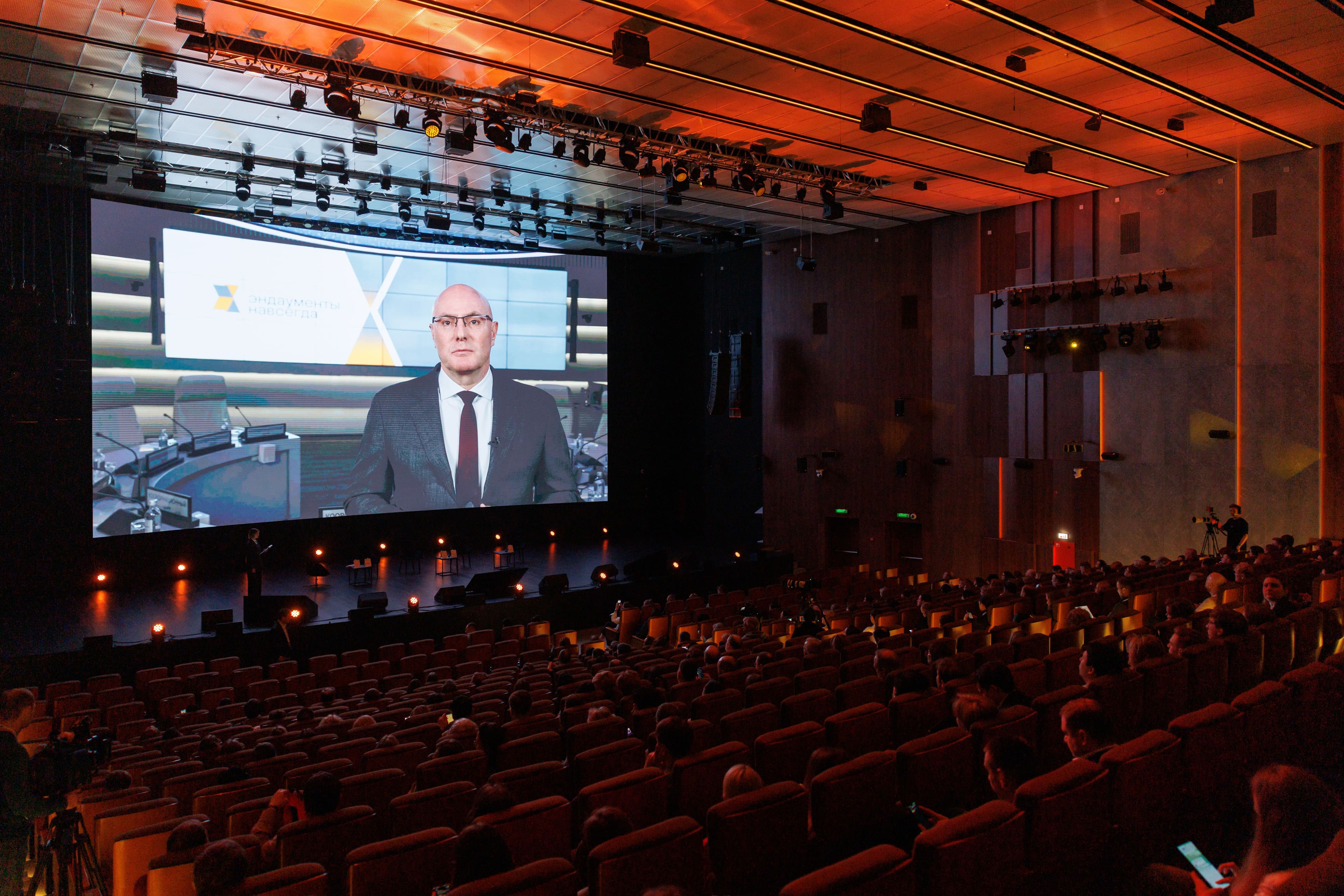
The Forum opened with a plenary session featuring a welcome video address by Deputy Prime Minister of Russia Dmitry Chernyshenko. He noted the importance of endowments as a sustainable funding instrument for education and science and emphasized the need to develop effective management mechanisms, as well as partnerships between the state, business, and NGOs within the framework of the approved Concept for the Development of Charity until 2030:
We must create an effective mechanism for working with endowment funds that will provide universities with both independence and opportunities for non-budgetary financing.
The main theme of the discussions was rethinking endowments as a sustainable mechanism for long-term development, enabling organizations and universities to plan for the future and build a legacy even in times of instability. This was also highlighted by the Forum’s special guest, Vladimir Potanin, founder of the Foundation. He emphasized the sector’s shift toward a systemic approach:
Philanthropy is a business in the sense that it is a serious undertaking — a major one. It should not be episodic, but should help people build and sustain their lives.
According to him, public perception of the sector has also changed over the past decades — from misunderstanding to growing recognition of its importance.

Vladimir Potanin also stressed the significance of endowments for the economy and long-term development:
At a time when tactical, short-term problems are intensifying, we must not forget about the future. An endowment is a powerful source of investment in the national economy, and even in the most difficult moments this resource must not be abandoned.
Oksana Oracheva, General Director of the Vladimir Potanin Foundation and moderator of the plenary session, emphasized the qualitative growth of the sector. “Endowments have become a recognized development tool at the state level. This is our shared key achievement. Ahead lies a more complex task. Today we are concerned with the quality of management, increasing trust, and each stakeholder’s contribution to the future of the endowment sector,” she said. From a new funding model for the country, endowments have evolved into an important instrument of sustainability for universities and NGOs. Throughout this time, the Foundation’s role has been to support this process — from the first initiatives to the formation of a professional community and sector infrastructure.
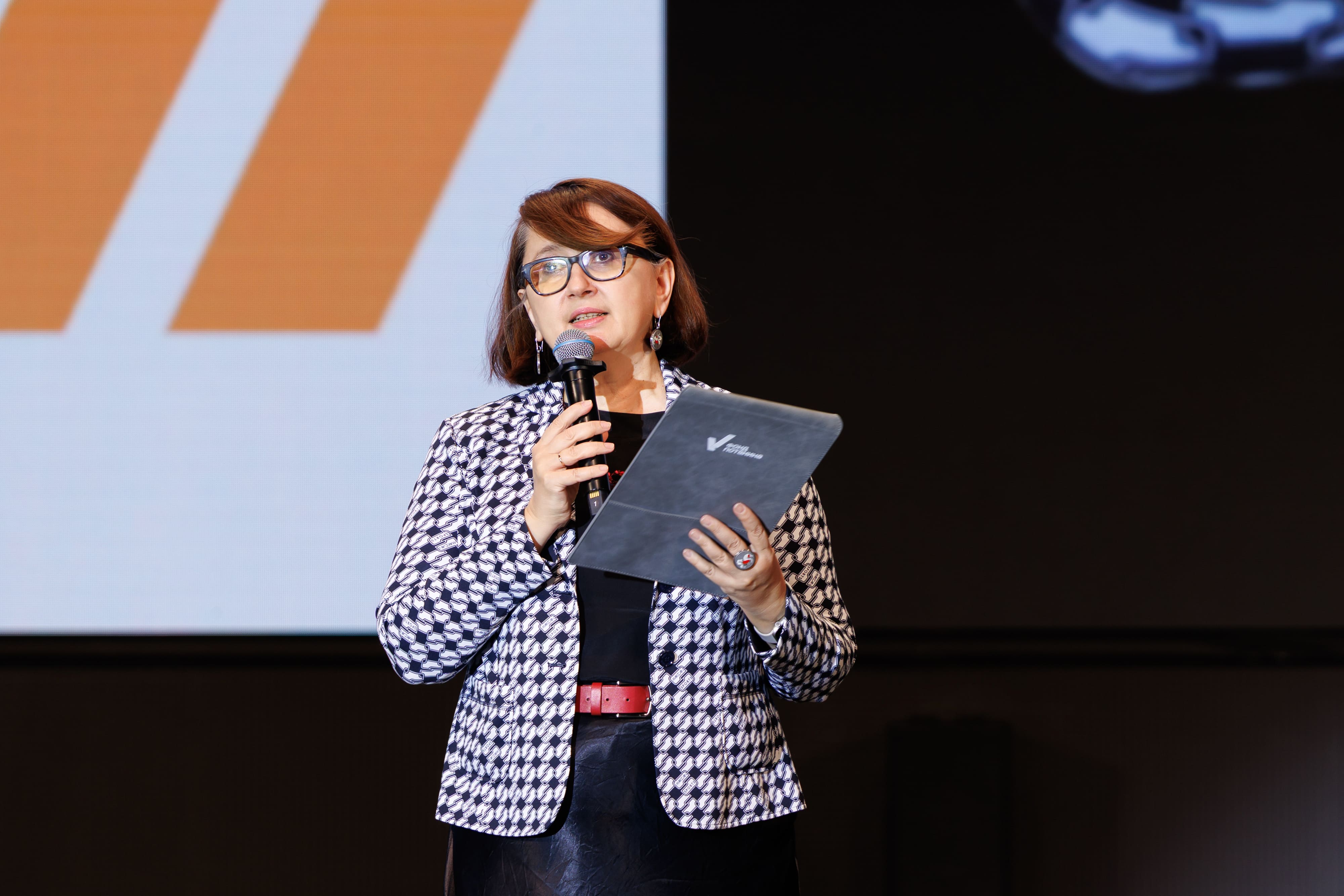
Elena Ivanitskaya, Deputy Director of the Department for the Development of the Social Sector and Non-Profit Organizations at the Ministry of Economic Development of Russia, presented data on market growth to 400–450 endowments and nearly RUB 205 billion, highlighting the need for further legislative improvements and expanded development instruments. Natalia Lugacheva, Minister of Social Relations of the Chelyabinsk Region, noted the importance of partnerships between the state, business, and NGOs in addressing social challenges. Ilya Chukalin, General Director of the Presidential Grants Foundation, emphasized the role of a long-term approach, in which endowments ensure organizational sustainability through the engagement of partners and supporters. Alexander Asmolov, Head of the Department of Personality Psychology at Lomonosov Moscow State University, described endowments as an instrument of a “culture of long vision,” fostering the capacity for long-term decision-making and sustainable societal development. The plenary session concluded with the understanding that over 20 years, the endowment institution has evolved into a sustainable ecosystem and community oriented toward long-term responsibility and development “forever.”
Both in Russia and globally, endowments most often develop within universities. At the session “Endowments in the Economics of Higher Education,” experts discussed the role of endowments in transforming universities’ financial models and their transition from short-term budget planning to long-term development strategies. It was emphasized that the development of endowments strengthens university autonomy and requires more mature financial management systems, strategic planning, and engagement with alumni and donors as long-term partners.
Irina Osadchaya, Deputy General Director for Communication Projects at ANO “National Priorities,” spoke about how public trust in endowments in science and education is being formed. According to her, communications in this area are still largely fragmented.
In her view, there is a need for a large-scale federal communication campaign to promote a culture of giving as a category. It should emphasize that philanthropy is positive, meaningful, and even fashionable, while remaining clear and trustworthy. It should be based on examples of universities already developing endowments and thereby funding research that is important and beneficial to society.
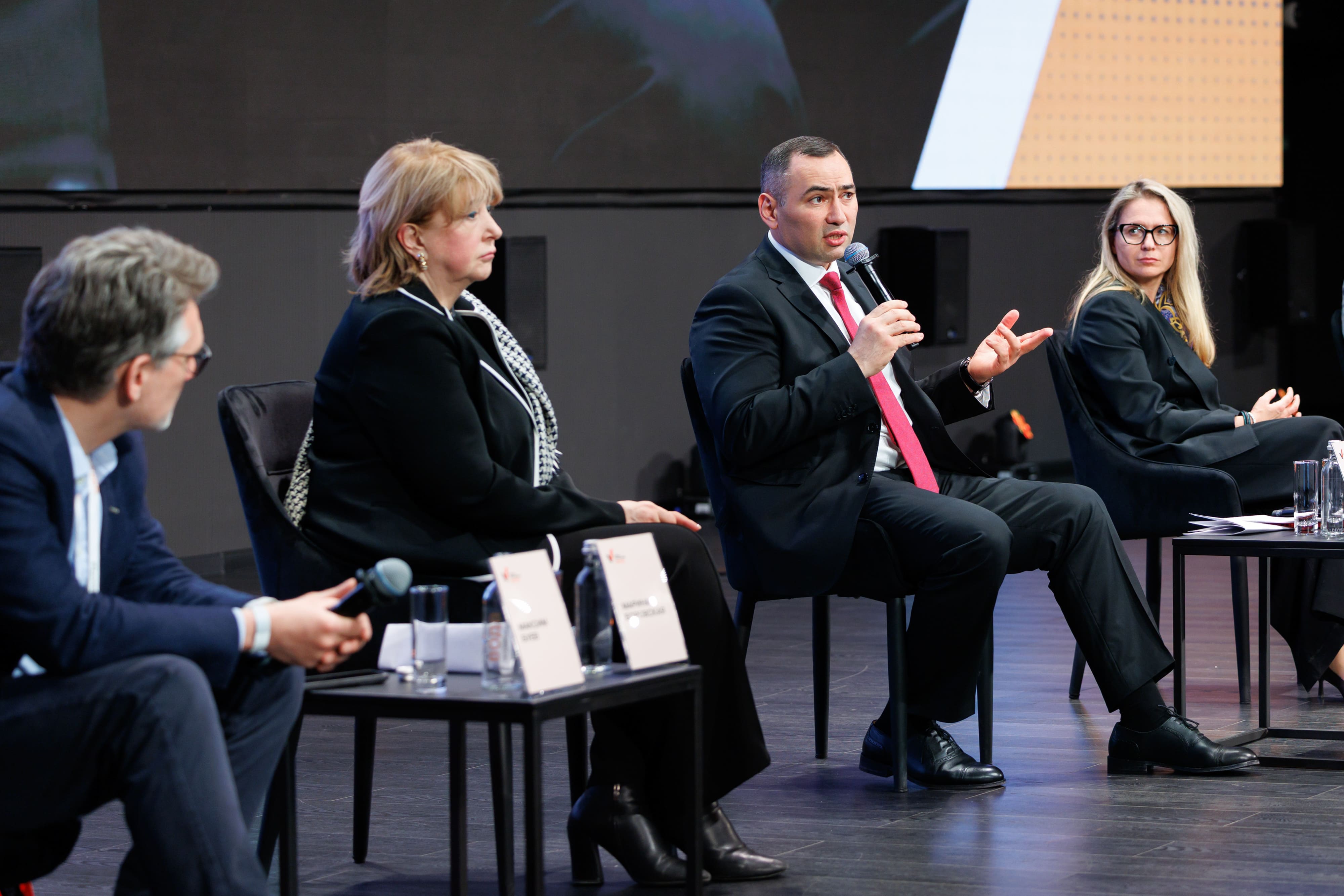
Aslan Kanukoev, Director of the Department of Economic Policy at the Ministry of Science and Higher Education of Russia, emphasized that the state views endowments not only as a financial instrument, but also as a component of universities’ long-term development and of building sustainable relationships with alumni, business, and regions.
Moreover, endowments are not merely a “safety cushion,” but an indicator of the effectiveness of a university’s interaction with its external environment. When funds are directed into an endowment, a different philosophy of partnership is formed—one based on long-term responsibility and contribution to the university’s future. Kanukoev noted that for the state, such funds serve as a tool for development and for financing new areas, as well as an alternative mechanism for supporting universities alongside budget funding.
As part of the Forum’s business program, an important statement was made: Deputy Prime Minister Dmitry Chernyshenko addressed participants with a proposal to review the Ministry of Science and Higher Education’s initiatives to support educational organizations through alumni engagement. These initiatives concern the improvement of mechanisms for establishing and using endowment funds. Forum participants are invited to provide feedback on these proposals.
The Forum confirmed that endowments in Russia have firmly established themselves as an instrument of long-term development and partnership between the state, business, and society, forming the foundation of a sustainable philanthropy infrastructure — truly “forever.”
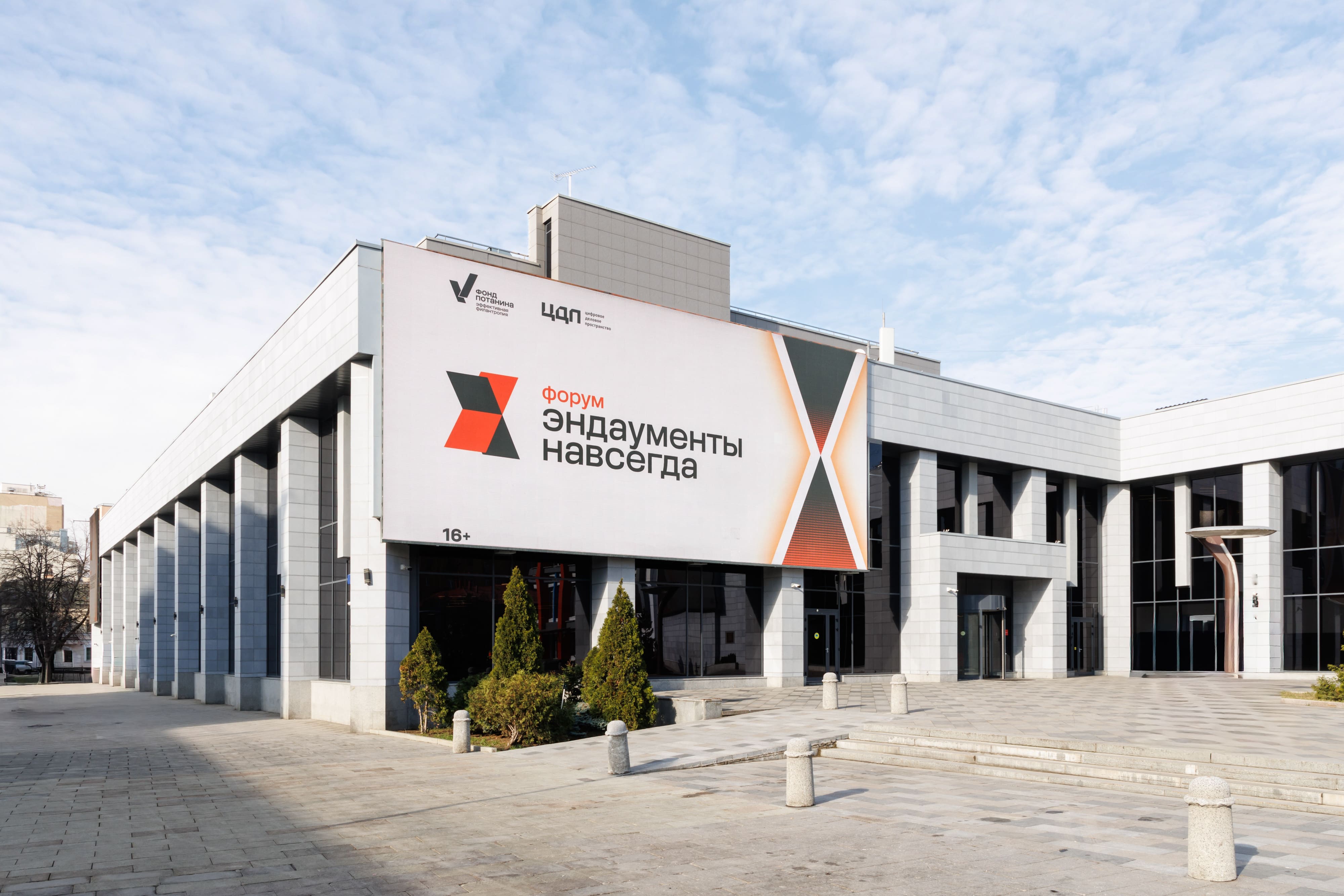
The Vladimir Potanin Foundation has been holding the Endowments Forum annually since 2017. Over this time, it has become a leading discussion platform in the field of endowments. The Forum has brought together around 4,000 participants, and recordings of its sessions have garnered more than 1 million views. An archive of materials from previous forums, research, and information on the history, development, transformation, and prospects of endowments in Russia is available on the platform endowment.fondpotanin.ru (in Russian).
 Logo
Logo